
 Language
  Europe
 United States
 Canada
 Australia
 France
 Spain
Spain
 The Netherlands
 New Zealand
 Italy
Italy
 Denmark
 Germany
 Sweden
 Mexico
 Português
Send Enquiry
![]()
![]()
![]()
![]()
![]()
![]()
![]()
![]()
![]()
![]()
![Blue Water (Plava Voda) is a captivating tourist attraction located Travnik. Renowned for its mesme ...]()
![Vlašić is a high mountain barrier which, like a huge fortress, hovers over the environment. It occup ...]()
![Main entrance to Sulejmanija or Colorful mosque]()
![Travnik is a small but lively town in central Bosnia and Herzegovina. It’s mostly known for its well ...]()
![Travnik’s Sulejmanija Mosque perfectly straddles the line between aesthetic beauty and absolute func ...]()
![The mosque was constructed in the 16th century, its purpose to provide Travnik with a central mosque ...]()
![Hadži Ali-bey Mosque, most notable for the clock tower that stands patiently next to it. This mosque ...]()
![Inside walls and courtyard of Travnik Fortress overlooking the city]()
![After the formation of the Austro-Hungarian rule in Bosnia and Herzegovina, Travnik became an import ...]()
![A walk down Travnik’s main pedestrian artery brings you to the Lukačka Mosque, constructed at the be ...]()
![Inside of Sulejmanija or Colorful mosque]()
![Part of Travnik called Blue water, couple of minutes from my apt]()
Premium
#41757





Loading...
Premium
#41757
Elmirs and Amna oasis
Apartment • Travnik Bosnia and Herzegovina
Exchange types accepted
Statistics
Listed February 2025
Views 1659
General Overview
Travnik, the Birthplace of Ivo Andrić
Castle, cheese and Nobel author
Once the seat of Bosnia’s viziers (Ottoman governors), the castle town of Travnik is now best known for its sheep’s cheese and as the birthplace of Nobel Prize–winning author Ivo Andrić, who set his classic novel Bosnian Chronicle (The Days of the Consuls) here. It’s a pleasant place to spend a couple of hours while travelling between Sarajevo and Jajce.
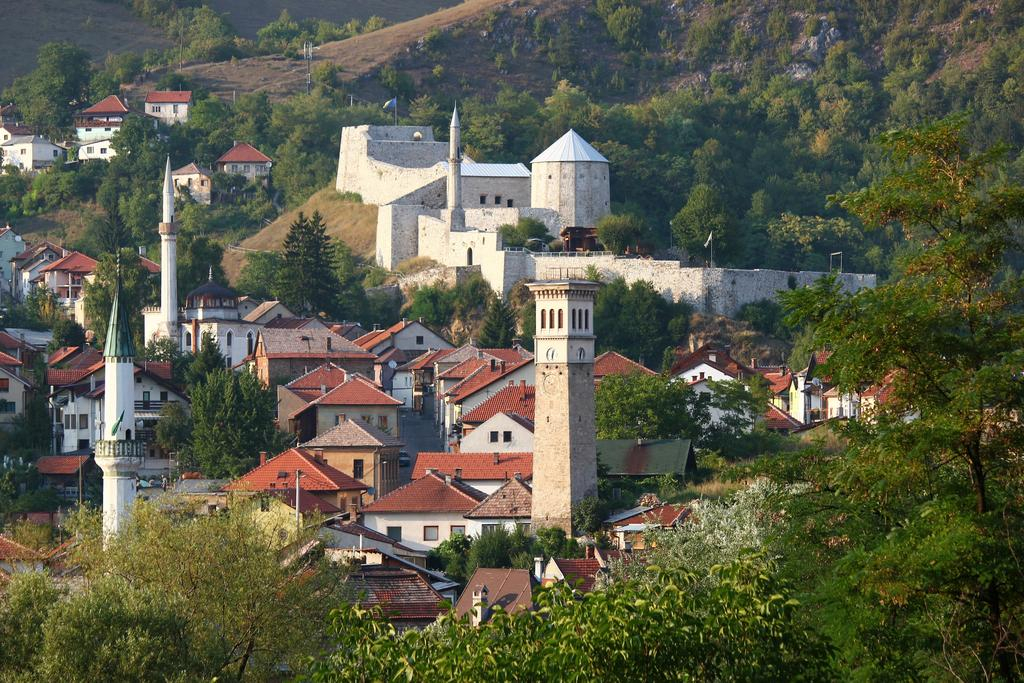
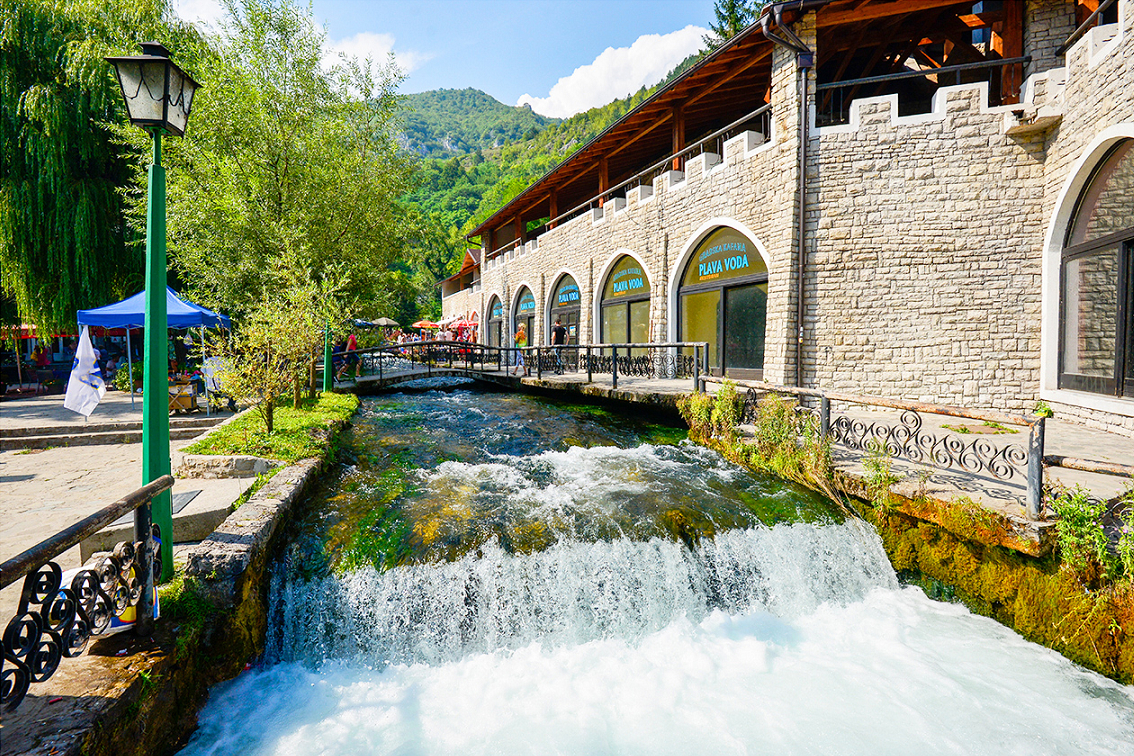
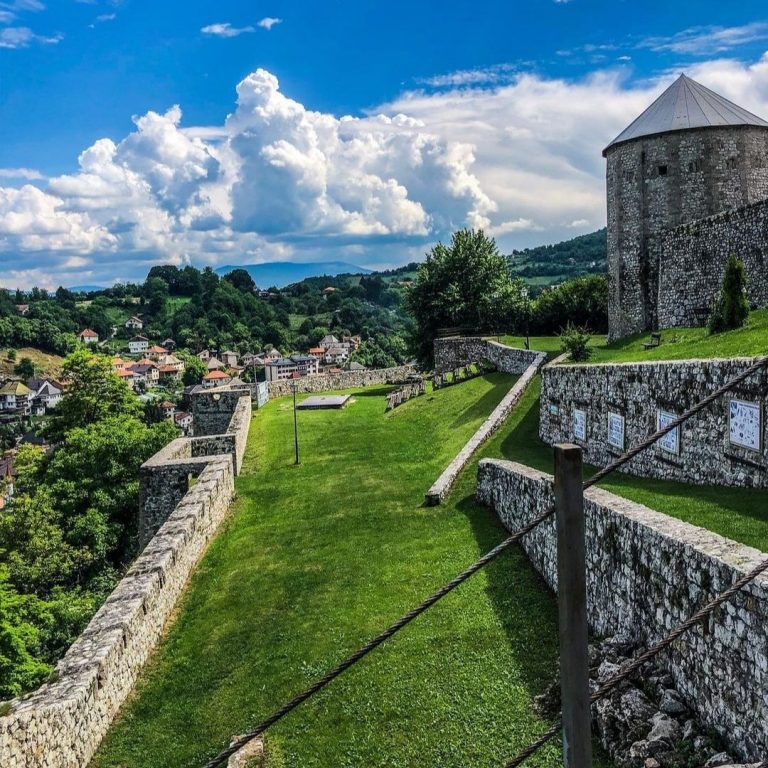
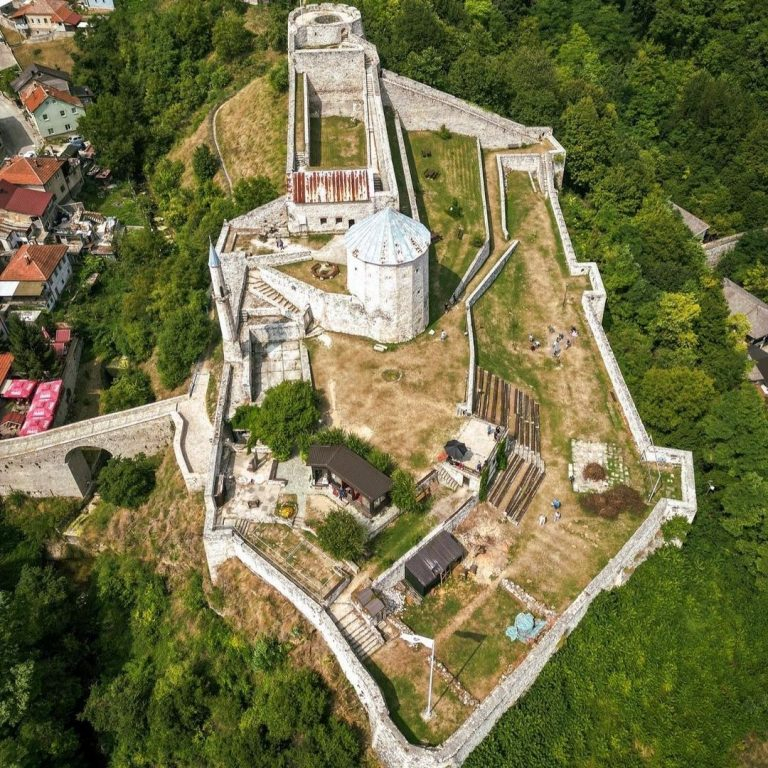
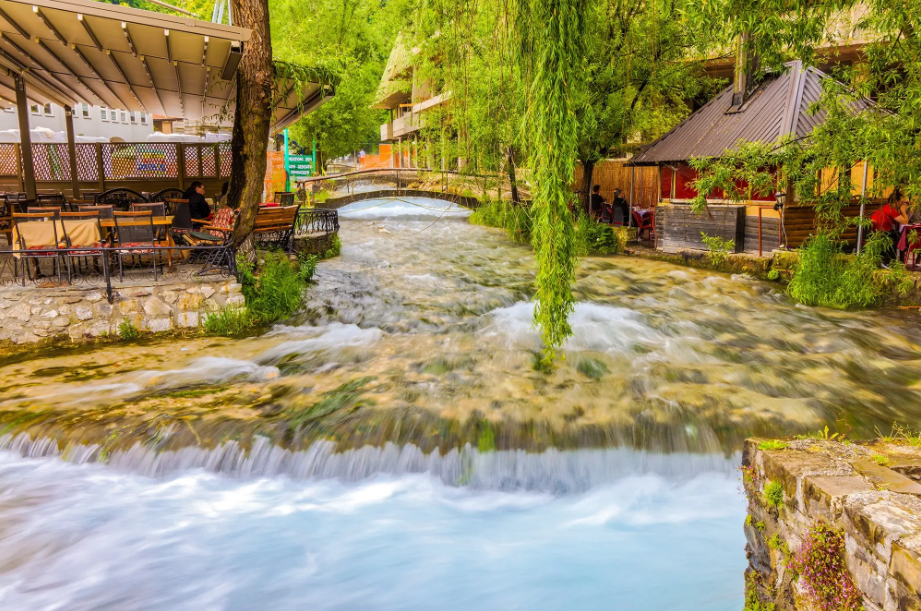
Travnik’s 15th-century Old Town Fortress surveys the city from a shoulder of hillside. The stone walls gleam so brightly in the sunshine that they appear to have been scrubbed. The fortress looks over Plava Voda (‘Blue Water’), a convivial gaggle of restaurants flanking a merrily gurgling stream, crisscrossed by small bridges – you should definitely have your lunch here.
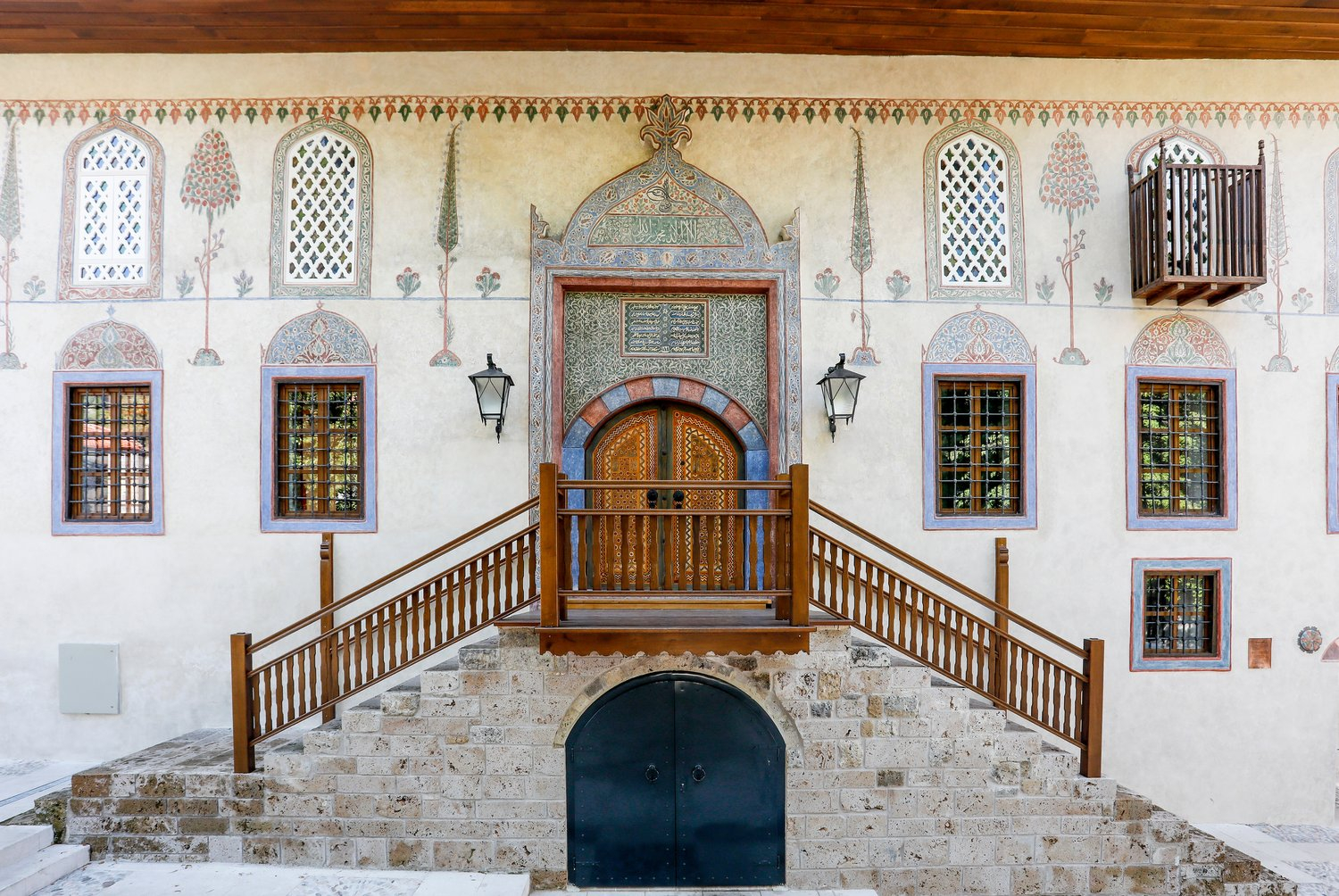
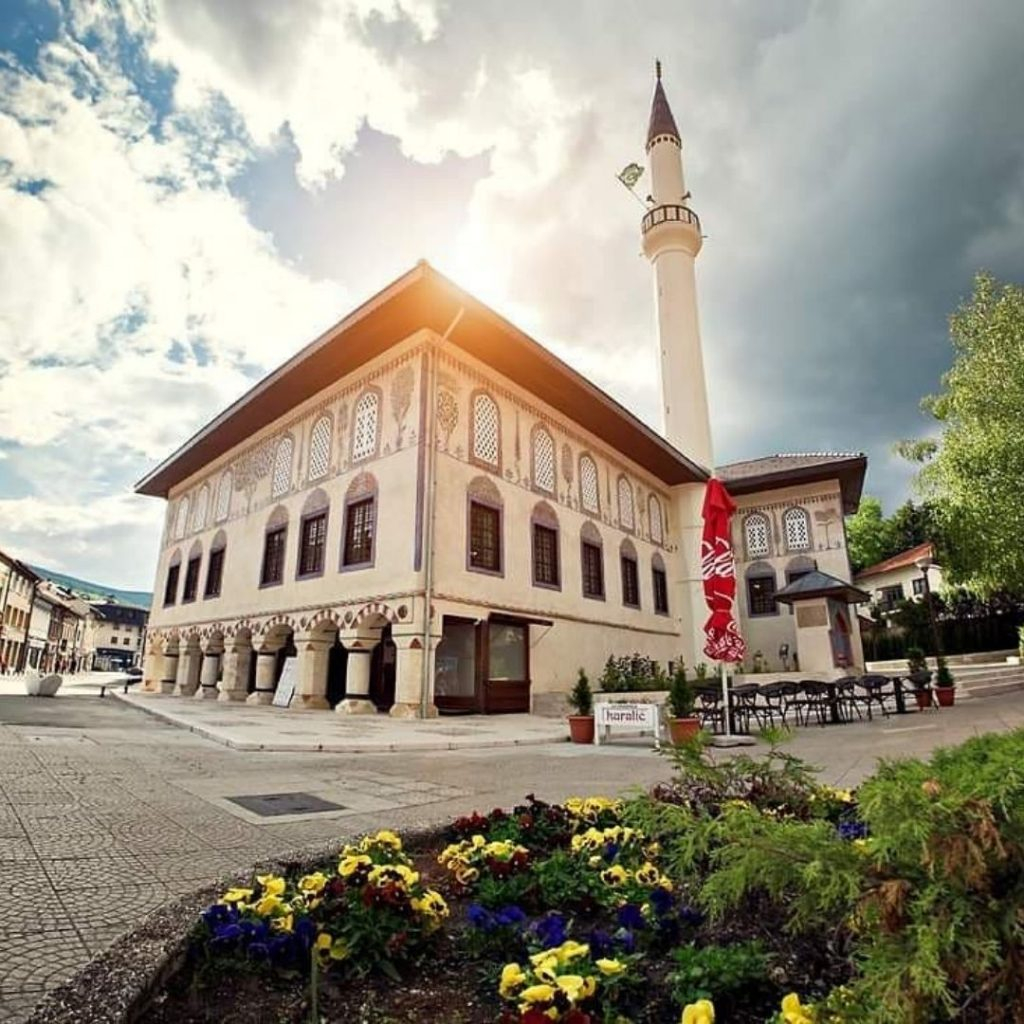
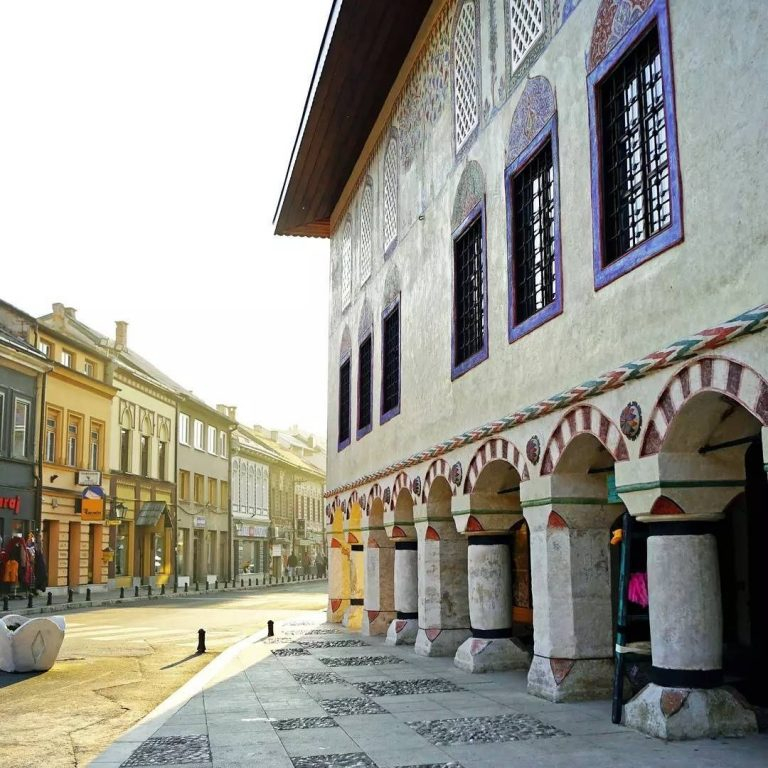
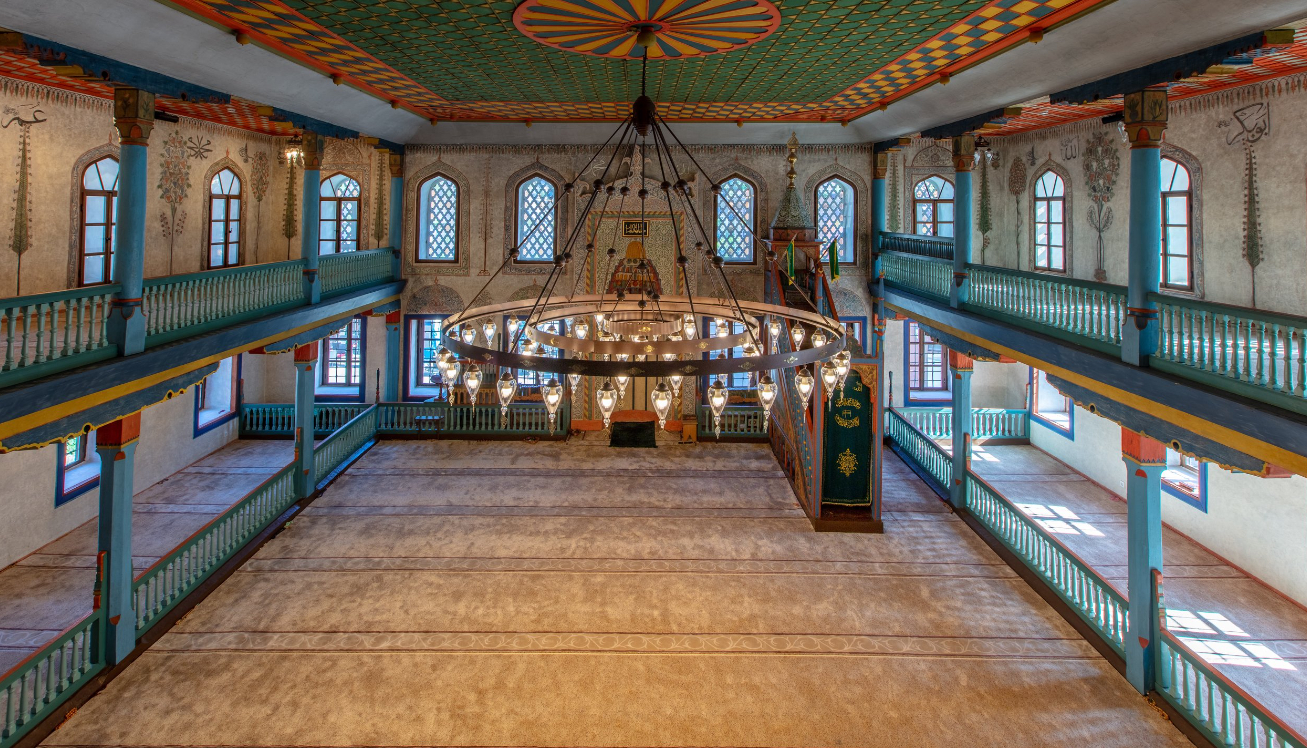
Although officially called Sulejmanija Mosque, everyone in Travnik calls this Šarena Džamija (Many-Coloured Mosque), a longstanding nickname that references its famous frescoed facade. The colours have since faded but the building remains notable for the bezistan (mini-bazaar) built into the stone arched arcade. There’s been a mosque here, at Travnik’s centre point, since the 16th century. Its current form dates from 1757, although it was largely reconstructed after a major fire in 1815.
Don’t miss the Viziers’ Graves, a collection of finely carved turbe (tombs) of Bosnia’s Ottoman governors, clustered at the western end of the main shopping strip, along with those of prominent court officials and poets.
Our home is great for traveling families, has two bedrooms and living room couch which you can use for sleeping as well. It has one bathroom, kitchen, balcony with a beautiful view and free parking space and also the possibility to use our car for free to explore our country. Its located couple of minutes on foot from the centre of the city, has all the amenities you need for living there, and also markets and restaurants few meters away from the building.
The Space
The space has 2 bedrooms and open living room with a kitchen, living room has a couch that 2 people can sleep on also, it is a newly built building, with a new kitchen and all furniture inside also new. It has one bathroom with walk in shower and balcony with a lovely view on the town and mountains.
Guest Access
My apt is in a newly bulit building on a third floor with elevator access and free parking space.
Features
Fridge
WiFi
Bed sheets
Oven
Towels
Washer
TV
Heating
Hair dryer

Iron
Dishwasher
Smoke alarms

Clothes dryer

High Speed Internet


Air conditioning


Balcony

Toys


Travel Styles
Long term
Weekend
Adventure
Family
Romantic
Foodie
Relaxing
City
Mountains
Skiing
Hiking
Last minute
House Rules
Suitable for infants under 2
Suitable for children ages 2-12
Pets not allowed
No smoking
Allergens
Cat free
Dog free
Smoke free
Dates of Availability
This member has chosen to hide this section from Non-Premium members.
Neighbourhood
In our neighborouhood you will find all the amenities needed for staying here, local restaurants with traditiinal cuisine and also international cuisine, coffe shops and big supermarkets and bakeries and all of that in a few meters from the building.
Once the seat of Bosnia’s viziers (Ottoman governors), the castle town of Travnik is now best known for its sheep’s cheese and as the birthplace of Nobel Prize–winning author Ivo Andrić, who set his classic novel Bosnian Chronicle (The Days of the Consuls) here. It’s a pleasant place to spend a couple of hours while travelling between Sarajevo and Jajce.
Travnik’s 15th-century Old Town Fortress surveys the city from a shoulder of hillside. The stone walls gleam so brightly in the sunshine that they appear to have been scrubbed. The fortress looks over Plava Voda (‘Blue Water’), a convivial gaggle of restaurants flanking a merrily gurgling stream, crisscrossed by small bridges – you should definitely have your lunch here.
Although officially called Sulejmanija Mosque, everyone in Travnik calls this Šarena Džamija (Many-Coloured Mosque), a longstanding nickname that references its famous frescoed facade. The colours have since faded but the building remains notable for the bezistan (mini-bazaar) built into the stone arched arcade. There’s been a mosque here, at Travnik’s centre point, since the 16th century. Its current form dates from 1757, although it was largely reconstructed after a major fire in 1815.
Don’t miss the Viziers’ Graves, a collection of finely carved turbe (tombs) of Bosnia’s Ottoman governors, clustered at the western end of the main shopping strip, along with those of prominent court officials and poets.
Old Town (Travnik Fortress)
Old Town Travnik is an impressive medieval fortress located on a hill overlooking the city. The fortress offers a panoramic view of the entire Travnik and its surroundings. Visitors can explore the ramparts, towers, and other remnants from the past.
Built in the 15th century, the fortress served as a defensive barrier against Ottoman conquests. Today, it is preserved as an important cultural monument. The fortress is a testament to the turbulent history and significance of Travnik as a strategic military-administrative center.
The fortress complex consists of inner and outer walls, several towers, and fortress walls. The tallest tower provides a spectacular view of the city and the surrounding area.
Birthplace of Ivo Andrić
This museum is dedicated to the Nobel laureate Ivo Andrić, the author of the novel “The Bridge on the Drina.” The house has been transformed into a museum where you can see his manuscripts, personal belongings, and learn more about his life.
Ivo Andrić was born in Travnik in 1892. His works are deeply rooted in Bosnian culture and history. The house has been authentically restored to showcase the life and work of one of the most significant writers from this region.
The museum displays Andrić’s manuscripts, first editions of his books, photographs, and personal items that provide insight into his life and creativity.
Blue Water
is a beautiful spring located in the city center, surrounded by greenery, restaurants, and cafes. It’s an ideal place for relaxation and enjoying the natural beauty. The water is crystal clear, and the surroundings are well-kept for walking and picnicking.
This spot is popular among locals and tourists alike due to its beauty and peaceful atmosphere. Blue Water is a frequent inspiration for poets and painters because of its unique color and setting.
Visitors can enjoy walks along the water, biking, or simply savoring local specialties in nearby restaurants.
Try local specialties in nearby restaurants while enjoying the view of Blue Water. It’s a perfect place for an afternoon stroll and relaxation amidst the sounds of nature.
Colorful Mosque
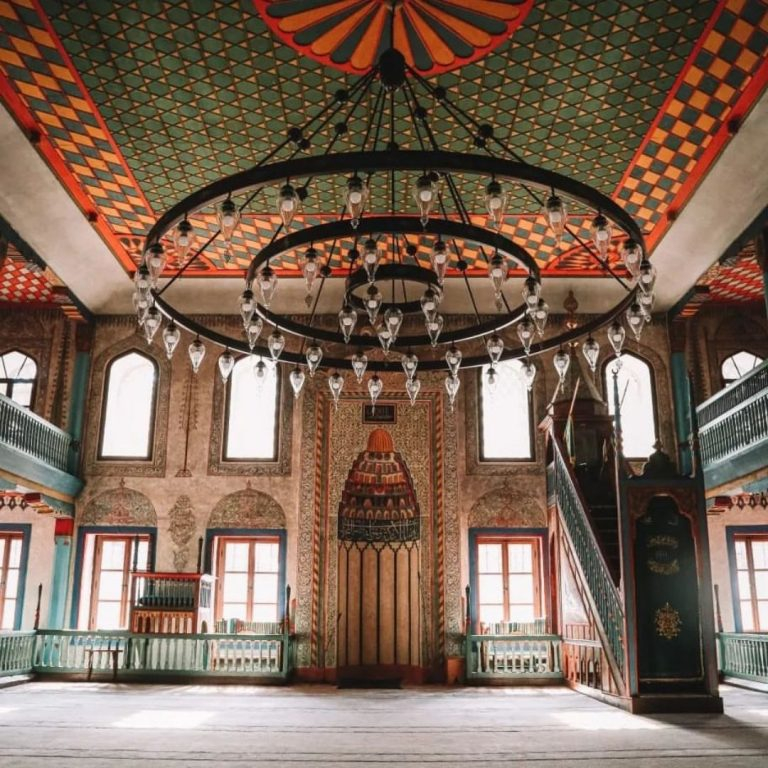
This beautiful Ottoman mosque is known for its colorful wall decorations and detailed decor. The Colorful Mosque is a perfect place to experience Ottoman architecture and art.
Built in the 16th century, the mosque served as an important religious and cultural center. Its unique style and vibrant decorations make it stand out among mosques in Bosnia.
The interior of the mosque is adorned with colorful wall drawings and ornaments that showcase the richness of Ottoman art. The facade is decorated with vivid tiles that attract the attention of visitors.
Travnik Clock Tower
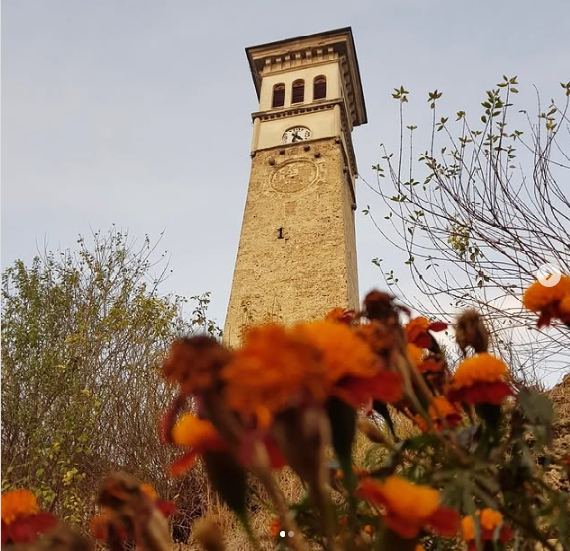
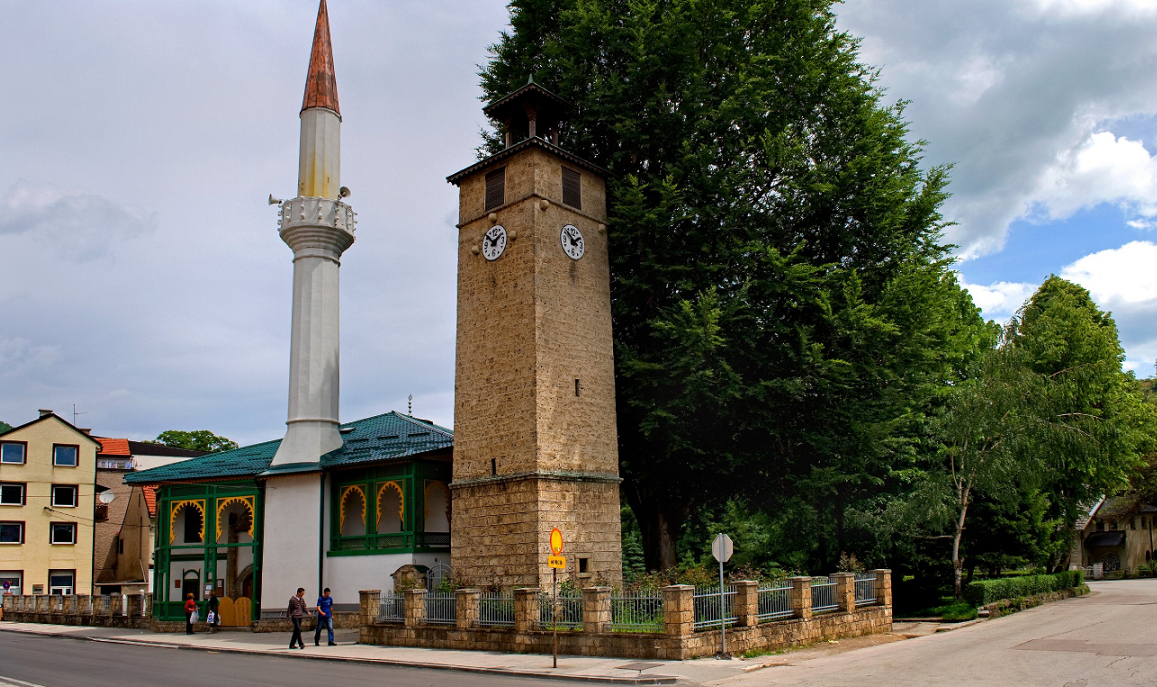
A historic tower with a clock that dates back to the Ottoman period. The Clock Tower is a significant symbol of Travnik and one of the most recognizable buildings in the city. This tower, standing several dozen meters tall, dominates the old part of the town and serves as an important landmark for the local population.
The Clock Tower was built in the 18th century during Ottoman rule. The tower is made of stone and was an important part of Travnik’s urban landscape. It served as a place where residents could find out the exact time, which was crucial in the era before modern clocks. The tower has been restored several times to preserve its structure and functionality.
The Clock Tower is constructed in the traditional Ottoman style, featuring simple yet elegant architecture. The interior of the tower contains a clock mechanism that is still functional, while the exterior is adorned with ornaments typical of the Ottoman period.
An ideal spot for photography and enjoying views of the old part of the city. A visit is recommended during the day when the light is best for photos. Don’t forget to climb to the top of the tower to enjoy a panoramic view of Travnik and its surroundings.
Hiking and Mountaineering
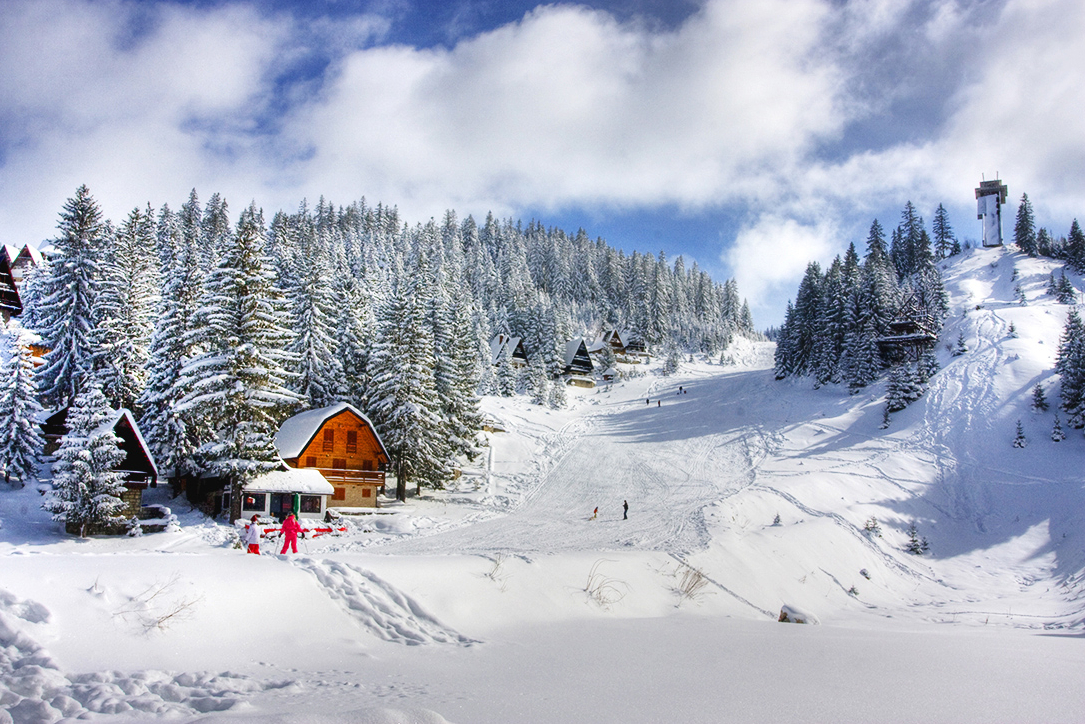
Travnik and its surroundings offer numerous trails for hiking and mountaineering, including Mount Vlašić, which is renowned for its beautiful landscapes, clean air, and diverse hiking routes. Vlašić is a perfect destination for nature lovers and adventurers, featuring trails of varying difficulty that lead through dense forests, across meadows, and to summits with spectacular views.
During the summer, visitors can enjoy hiking, biking, and exploring nature. In winter, Vlašić becomes a popular ski resort attracting skiers from across the region. Besides skiing, visitors can partake in snowboarding, sledding, and other winter sports.
Bring comfortable footwear and enough water. Plan your route in advance and check the weather conditions before heading out. If you are new to hiking, consider hiring a local guide who can show you the best trails and provide additional information about the local flora and fauna. Don’t forget to bring a camera to capture the stunning landscapes.
WHERE AND WHAT TO EAT IN TRAVNIK
Travnik is known for its rich culinary offerings that include traditional Bosnian dishes such as grilled meat, Bosnian pot, pastries, and various roasts. Additionally, specialties like Travnik cheese and homemade desserts are also a must-try. The cuisine of Travnik reflects a blend of Ottoman, Austro-Hungarian, and Balkan influences, resulting in diverse and flavorful dishes.
The food in Travnik is renowned for its rich and varied flavors, often seasoned with paprika, onions, and various spices that add a unique taste to the dishes. In local restaurants, you can expect to be served fresh, locally sourced ingredients. Travnik cheese, with its distinctive salty note, is an essential part of every meal.
Best Time to Visit
Spring and autumn are ideal times to visit Travnik due to pleasant temperatures and beautiful landscapes. In winter, Travnik is also popular for its ski resort on Vlašić. During summer, the city offers comfortable temperatures and plenty of outdoor activities.
If you plan to visit during spring or autumn, bring layered clothing as temperatures can vary throughout the day. During the winter months, prepare for colder weather and the possibility of snow, especially if you plan to visit Vlašić.
Getting to my home
Nearest airport is an hour away, you can use bus to get there, it has multiple lines troughout the day.
Nearest airport
Sarajevo airport is an hour away
Getting Around
Our apt is in quiet residential part of the city but really close to the center all the amenities are there, few minutes walking and you will find all the famous historical places in Travnik, such as Old fortress and Colorful Mosque, old part of the city, but also you can go to the Vlasic mountain in a 20 min drive where you can enjoy ski centre and local delicacies, and a lot of hiking.
Travnik is well-connected by road, and local buses run regularly. The city is easily accessible by car, and parking is available at most tourist locations. Additionally, there is an option to rent a car for greater comfort and flexibility in exploring the surrounding areas.
If you are using public transport, check the bus schedule in advance to avoid waiting. For those traveling by car, it is recommended to use navigation systems for easier navigation around the city and its surroundings.
Map of Approximate Location
This member has chosen to hide this section from Non-Premium members.
People Like Us Local Guide
I can meet with you and show you around our city so you can get to know our local culture and history a little better from first hand. We can eat a meal together at one of many local restaurants and i can give you recommendationa for whot to see and where to eat also.
My Other Home
Sarajevo Bosnia and Herzegovina
#41857
1 Bedroom
• Apartment
Feedback
This member has chosen to hide this section from Non-Premium members.
Premium
Elmir
Hi to all fellow travelers, we are a family of three, enthusiasts of travel and meeting and exploring new countries, cities and cultures. We are also looking forward to hosting you at our home where you can enjoy peace and tranquility after exploring everything our country and city has to offer. Im a psychologist and my wife is a pediatrician, our little boy is 2 years old and we are looking forward to traveling as a family and exploring all the places with our little boy.
Desired Destinations
Open to any destination
Can travel at any time
T
Tokyo,
Japan
Dates Flexible
N
New York, NY,
USA
Dates Flexible
L
Lisbon,
Portugal
Dates Flexible
A
Amsterdam,
Netherlands
Dates Flexible
B
Bangkok,
Thailand
Dates Flexible
S
San Francisco, CA,
USA
Dates Flexible
R
Rome, Metropolitan City of Rome Capital,
Italy
Dates Flexible
People Like Us is the world's most trusted home exchange community. We believe in sharing, trust, generosity, respect, communication, equality, cooperation, honesty, hospitality, friendship, flexibility and adventure. We take pride in our homes and we care about the environment in which we live: our village, city, country and our planet. We care about the ethos of home exchange and we do it because we love the experience and the friendships that it generates.
Locations


© 2017 - 2026 People Like Us Home Exchange Pty Ltd